| Install | <10 |
| From 0 Rates | 0 |
| Category | Kids |
| Size | 8 MB |
| Last Update | 2026 September 22 |
| Install | <10 |
| From 0 Rates | 0 |
| Category | Kids |
| Size | 8 MB |
| Last Update | 2026 September 22 |
Images

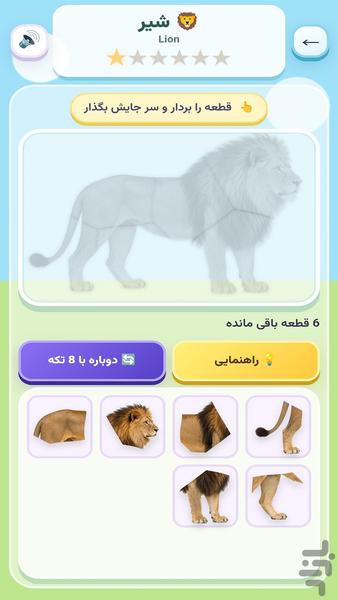
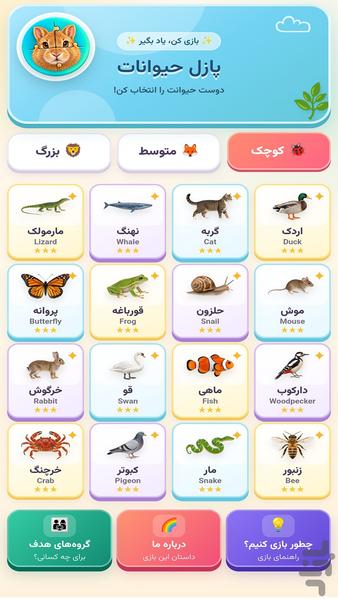



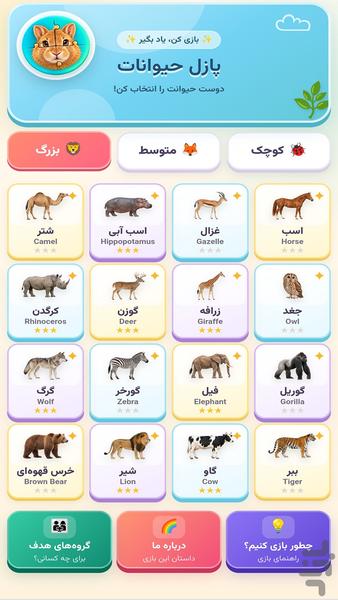
Introduction
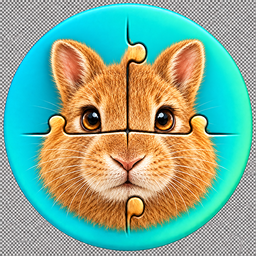
Puzzles cater to a wide age range; regardless of one's age, they are highly effective in sharpening cognitive skills and enhancing problem-solving abilities.
During childhood—particularly the preschool years—puzzles (which fall under the category of brain games) serve as educational tools for teaching fundamental concepts and play a significant role in boosting a child's cognitive capabilities.
Experts believe that solving puzzles enhances brain function and expands neural networks in both adults and children. They strengthen connections between different regions of the brain and—by fostering a sense of accomplishment—boost self-confidence while generating feelings of pleasure and joy. Generally, parents often associate brain games primarily with puzzles during their children's early years; however, puzzles are not limited to children, as many models are specifically designed for adults.
The sense of satisfaction and achievement felt upon completing a puzzle, solving a riddle, or winning a brain game triggers the release of dopamine in the brain. As a neurotransmitter, dopamine induces a sense of euphoria and boosts self-confidence.
Target Groups
Target groups suitable for this app:
• Primary group: Children aged 3 to 7
• Ages 3–4: 4-piece puzzles (with parental assistance)
• Ages 4–6: 6-piece puzzles (with minimal assistance)
• Ages 6–8: 8-piece puzzles (to enhance concentration and hand-eye coordination)
• Supporting users: Parents, kindergarten teachers, and preschool educators
• Educational purpose: Animal recognition; strengthening visual memory, concentration, and motor skills
For store listings, it is recommended to specify the age range as "3 to 8 years."